
Waxhaw Records for One Resident
No official all-in-one Waxhaw person database was identified. A careful search uses a record for the limited question it can answer, then compares a second dated source. A parcel card can link a displayed legal owner to a parcel and deed, while a voter result addresses registration information. Court and vital records have their own public limits, access rules, and custodians.
| Record | What It Confirms | Where | Access |
|---|---|---|---|
| Parcel card and deed image | Displayed owner, parcel, instrument, and date | Union property search and Register of Deeds | Online, counter, phone, mail, or request route |
| Voter registration | Published status, jurisdiction, polling place, and history fields | NCSBE and Union Elections | Online lookup, office, or written list request |
| Court case record | Party, case, event, hearing, and disposition when public | NC eCourts and Union Clerk | Online, terminal, counter, request, or subscribed remote access |
| Vital record | Official event information within the allowed record and copy type | NC Vital Records and Union Register of Deeds | Online, mail, or in-person route; eligibility applies |
| Directory or archive source | Historical printed name, household notation, or address lead | DigitalNC, Dickerson Room, Museum, and Archives | Online, library, museum, archive, phone, email, or copy request |
Begin name-first with the voter, court, deed, directory, or public civic record that fits the known date and place. Begin address-first with the county parcel search, then use the displayed owner name to check the deed index. A public professional credential or entity filing may identify a public role, but it is not proof of a home address.
Verify a Waxhaw Resident Lookup
Anchor the name to a dated official record before adding another result. Compare spelling, initials, geography, party role, household notation, parcel linkage, and dates. A deed owner, a voter registrant, a permit applicant, a directory entry, and an entity officer can be different people or can reflect different record purposes. Keep the source URL, retrieval date, jurisdiction, printed name, and a match note with every result.
- Use the Union property search only when an address or parcel is already known, and record the parcel ID and displayed owner.
- Check an official name-based source using the exact spelling, then run meaningful initial or surname variants separately.
- Compare the date, location, party role, address purpose, and a second official record before calling the match confirmed.
- Use confirmed, probable, possible, or not a match as the evidence changes. Request a certified copy from the actual custodian only when that record is needed and access rules permit it.
- Docket
- A court’s dated case record of parties, filings, events, hearings, and outcomes. A docket entry is procedural information, not a broad personal conclusion.
- Index and image
- An index points to a record. An image is the underlying scanned document or page, which should be checked when available.
- Certified copy
- A custodian-issued copy with official certification. It is distinct from a public portal view and may require an eligible requester.
Waxhaw Resident Lookup Court Search
NC eCourts Smart Search is the official route for public Union County case searches. Start with a distinctive last name and Union County location. The service supports name or case-number searching, with advanced location, party name, date of birth, case type, status, and filing-date filters. Search each name variation separately, then inspect the actual case summary rather than assuming a name result belongs to one person.
For a hearing question, use the separate Hearings search by case, party, entity, attorney or bar number, judicial officer, or courtroom. The public view can include a summary, parties, events, dispositions, hearings, and financial fields when public. Judgment Search adds disposition status, index date or time, parties, and judgment comments. Sealed matters and protected fields are not displayed; anonymous users have the same public case access, while an account only saves My Cases.
North Carolina’s official certified-record instructions describe the Clerk route and the AOC-CR-314 single-county request.
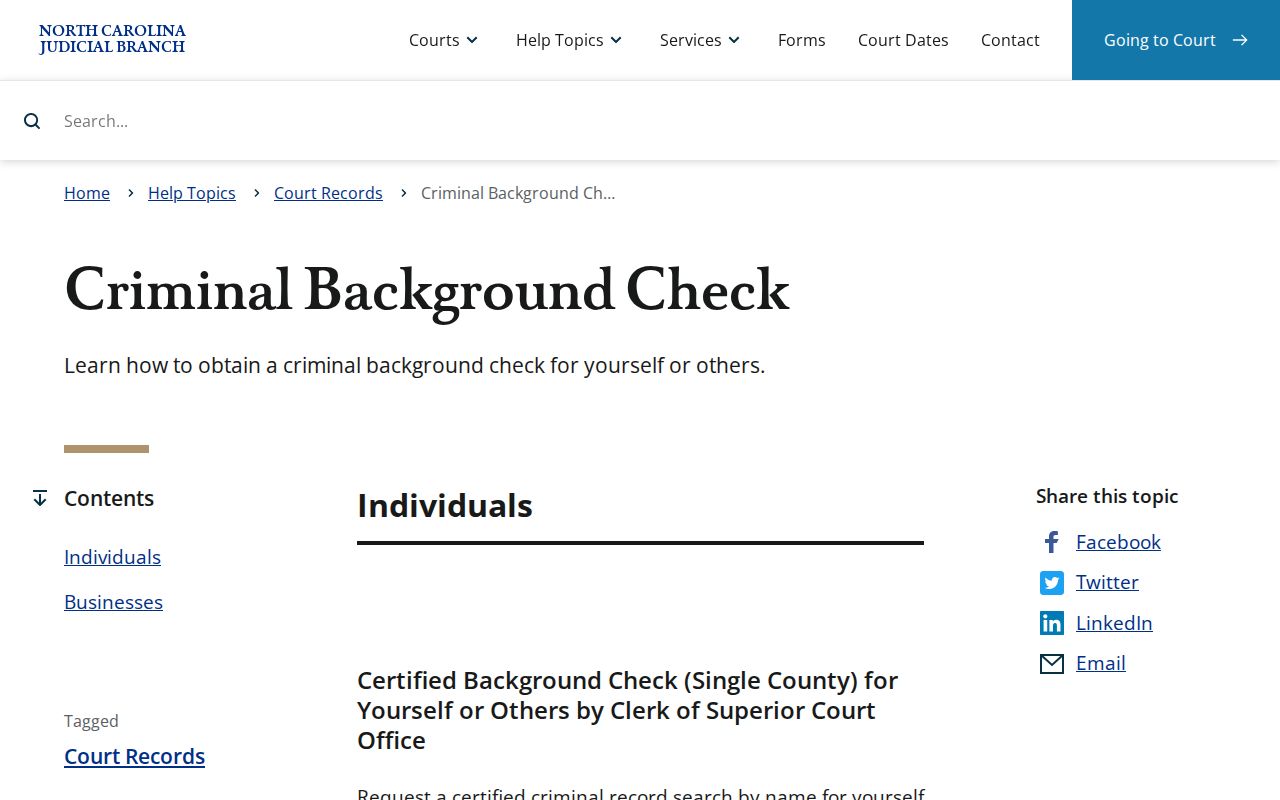
The image supports the access distinction: courthouse public computers provide free non-certified searching, while a certified county criminal record has its own Clerk request and published $25 fee.
Confirm Waxhaw Court Record Details
A court result needs its full context before it can support a name match. Preserve the case number, county or location, case type, filing date, party name and role, cause of action or charge when public, events, hearings, disposition, judgment status or comments, any public financial field, source URL, and retrieval date. A filing or arrest is not a disposition, and an old case is not a current description of a person.
| Party and role | Shows how the printed name appears in that case, not identity by name alone. |
|---|---|
| Events and hearings | Shows procedural activity and dates; use the Hearing search for scheduled matters. |
| Disposition | Check the exact published outcome before describing the case status. |
| Certified file | Obtain it from the Clerk when needed and available to the requester. |
Case numbers use a four-part format. Wildcard searches require the stated minimum characters plus an asterisk, including at least three characters for a last name. When online details are incomplete, use Union Judicial Center public terminals, the Clerk of Superior Court counter or phone, a formal court public-record request, the court mail route, or Remote Public Access for authorized subscribers. The latter has a connection fee, per-user fee, and per-transaction charge, so it is not a routine name-search option. Library and State Archives sources can help with older newspaper or historic court context.
Waxhaw Voter Lookup Fields
NCSBE Voter Search requires first and last name, offers an optional middle initial, year of birth, county, and Registered or Removed/Denied status choices. Its public output can include voter detail, registration status, jurisdictions, polling place, a sample ballot when available, absentee information, and voting history. The form needs JavaScript and is not a free-form address book.
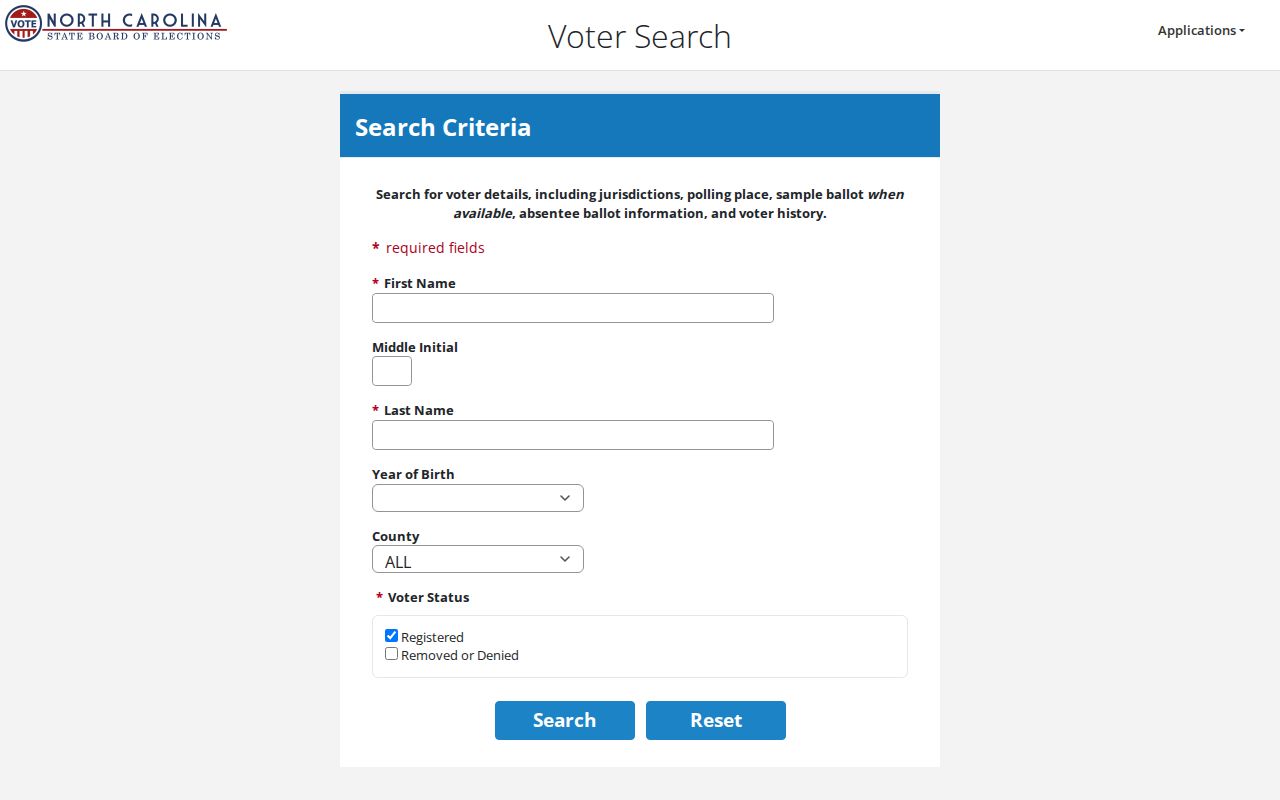
Use the form’s fields to distinguish same-name results, but do not treat a voter record as proof of property ownership or an unbroken residence history.
The Union Board of Elections offers the alternate access path: online county information, office or telephone help, email, a written information request, and mail to PO Box 1106 in Monroe. State law permits specified county or statewide list products through statutory channels. Full or partial SSN, date of birth, driver-license data, and protected address fields are excluded. Voting residence is a fixed habitation, not merely an ownership, tax, or mailing label.
Note: A voter result can confirm the published registration context on its lookup date, while protected addresses remain protected.
Waxhaw Resident Lookup Vital Records
NC Vital Records is an ordering and custodian route, not a free online name database. State coverage listed for an order includes births from 1913, deaths from 1930, marriages from 1962, and divorces from 1958. For earlier records, use the county office where the event or license belongs, the Clerk for divorce filings, or the State Archives historical route.
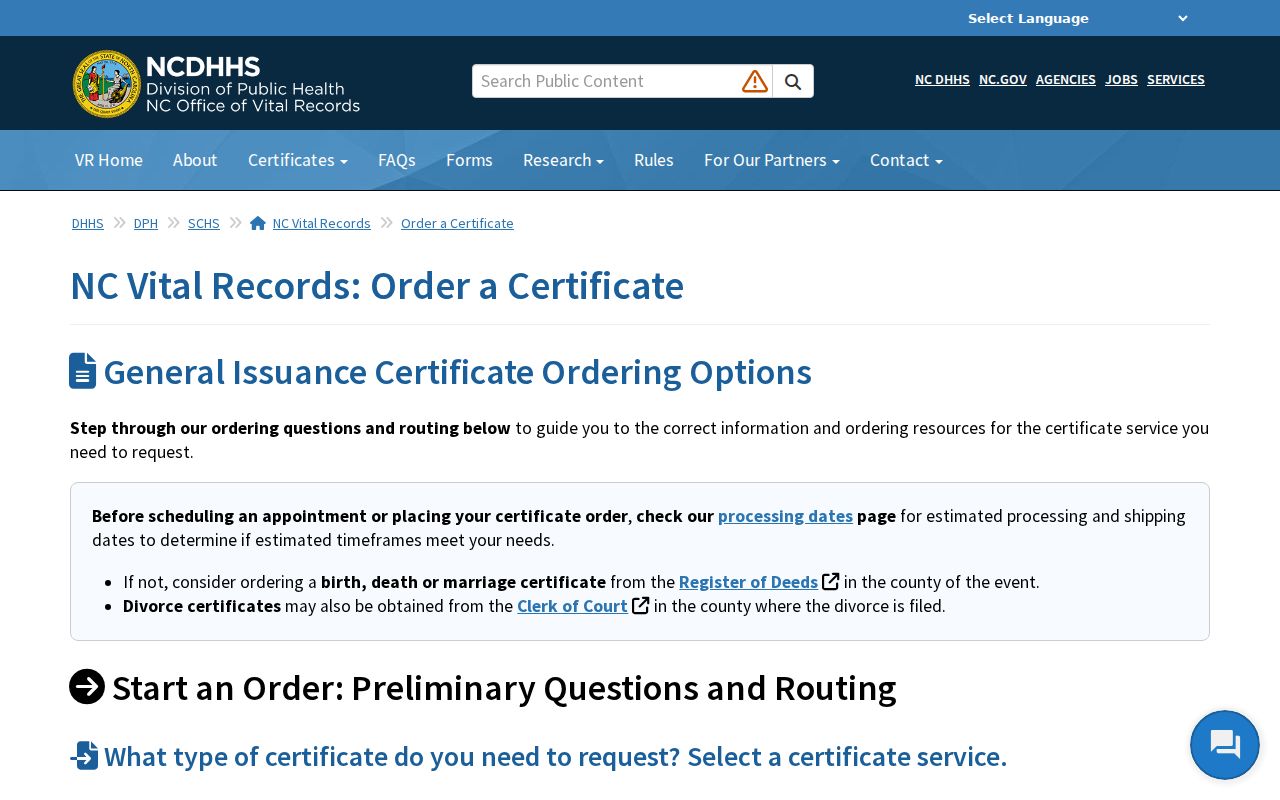
The official order path illustrates why name, date, place, requester relationship, copy choice, and contact details matter. It is a request process, not evidence that every field is public.
NCOVR lists a $24 search fee with one copy for each three-year period or portion, and the search fee is nonrefundable. Certified copies under G.S. 130A-93 are limited to listed family, representative, or qualifying personal or property-right requesters. Union Register of Deeds offers local in-person and mail routes for applicable county records; certified in-person service requires accepted identification. Mail requests go to PO Box 248, Monroe NC 28111. Historical Bible records, obituaries, and newspapers can provide leads, but confirm them with the appropriate certificate, court, deed, cemetery, or archive source.
Match a Waxhaw Resident Lookup
Same-name errors are the central risk in a person search. Use the evidence as a matrix, not as a pile of matching strings. Preserve the original spelling and initials, normalize only obvious formatting, and write why the evidence supports or fails the match. A precise record purpose is more useful than an overbroad profile.
| Evidence | Strong use | Not proof of |
|---|---|---|
| Parcel card and deed image | Legal name tied to a parcel, instrument, and date | Current occupant or voter residence |
| Historical directory page | Printed household or street lead for that year | Current address or age |
| Voter result | Published registration and jurisdiction context | Property ownership or complete life history |
| Court docket | Case party and procedural event | Identity from name alone or current character |
| Credential or entity filing | Public role, status, or listed office | Home address or personal endorsement |
The comparison is especially important because public records are time slices. A tax owner, voter listing, permit applicant, and public filing can differ lawfully. For historic household work, the Waxhaw city directory collections provide the dated printed source rather than a current identity conclusion.
North Carolina’s professional licenses and permits page directs users to the state licensing umbrella and the issuing boards.

A board-specific result should be kept to the public credential, status, date, and issuing authority. It does not establish a person’s home address or identity without separate, appropriate evidence.
Waxhaw Protected Address Limits
North Carolina’s Address Confidentiality Program serves eligible survivors who need a substitute mailing address. Participants may use it for voter registration, driver licensing, utilities, and other public interactions under Chapter 15C. Do not use parcel and voter cross-references to expose a protected address. Sealed court matters, protected witness or victim information, redacted incident addresses, restricted vital fields, and driver-license personal data are not public search gaps.
For an address-safety concern, use the NC DOJ Address Confidentiality Program and the relevant custodian privacy route. A correction or access question belongs with the office that maintains the record. A public-looking result never authorizes publishing sensitive fields or combining them with private phone or email details.
Historical Records for a Waxhaw Resident
When the question is historical, use DigitalNC’s Monroe and Union directories, the Dickerson Room’s newspapers, Sanborn maps, photographs, obituary help, the Museum of the Waxhaws, and State Archives county series. Retain the image or page citation. A newspaper or obituary can direct a search, but a certificate, deed, court record, cemetery survey, or other dated custodian record should confirm the claim.
These sources are available through online collections, library databases, in-person library or museum research, phone or email help, and targeted archive copy requests. Waxhaw advisory-board rosters and meeting records offer a separate public civic-role path. They should remain role-and-date records, not private contact lists.
Lawful Waxhaw Resident Lookup Limits
Use official records for a defined, lawful question and report each record’s date, source, jurisdiction, and limit. North Carolina’s public-record rules do not override separate confidentiality laws. Under G.S. Chapter 132, a focused written request should name the custodian, record type, date range, identifying record reference, preferred format, and whether inspection or copies are wanted. Ask for a fee estimate before extensive work; agencies need not create a new record.
Lawful use. Use personal research carefully and never use a record to stalk, harass, intimidate, or harm another person. Protected fields and addresses must remain protected.
Note: When a record is unclear or wrong, preserve the result and contact the named custodian rather than repeating an uncertain match.